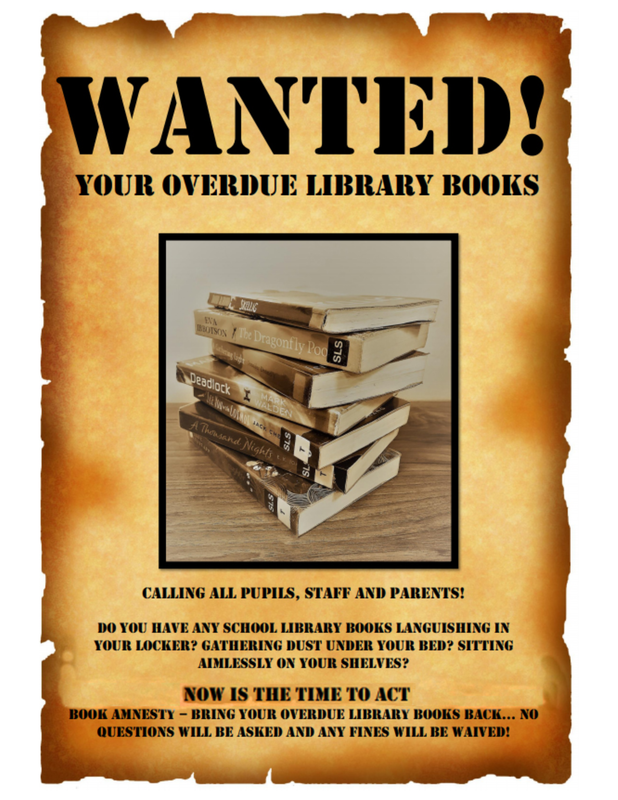
WELCOME The Library Staff at CWS School Library is always looking for new and innovative ways to connect with patrons whilst encouraging the love for reading, providing curriculum support and seeking to promote our activities and services. We hope that our online presence would encourage your appreciation of school libraries even more.
|
|
"No to Violence"
School violence is widespread. It can be physical, psychological or sexual and include gender-based violence, bullying and cyberbullying. While schools are meant to be safe and supportive environments for learners and teachers, evidence shows this is not always the case: every year, across the world, one billion children face violence, including in and around schools.
Experiences at school such as violence amongst peers and bullying have been associated with anxiety, depression, suicidal thoughts and actions, and self-harm. Perpetrating violence is also associated with poor mental health, with evidence that children with emotional and behavioural disorders can engage in aggressive behaviours.
Violence affects children’s ability to learn. Learners facing or witnessing school violence are more likely to miss school, have lower grades and even drop out of school. Children who are bullied are twice as likely to feel lonely, to be unable to sleep and to have contemplated suicide. Preventing and responding to school violence including bullying, both offline and online, and gender-based violence, can have a direct impact on the protection of learners, their mental health and in turn, their learning. Teachers may also experience or witness violence, and many report stress and fear at working in a violent environment
Experiences at school such as violence amongst peers and bullying have been associated with anxiety, depression, suicidal thoughts and actions, and self-harm. Perpetrating violence is also associated with poor mental health, with evidence that children with emotional and behavioural disorders can engage in aggressive behaviours.
Violence affects children’s ability to learn. Learners facing or witnessing school violence are more likely to miss school, have lower grades and even drop out of school. Children who are bullied are twice as likely to feel lonely, to be unable to sleep and to have contemplated suicide. Preventing and responding to school violence including bullying, both offline and online, and gender-based violence, can have a direct impact on the protection of learners, their mental health and in turn, their learning. Teachers may also experience or witness violence, and many report stress and fear at working in a violent environment
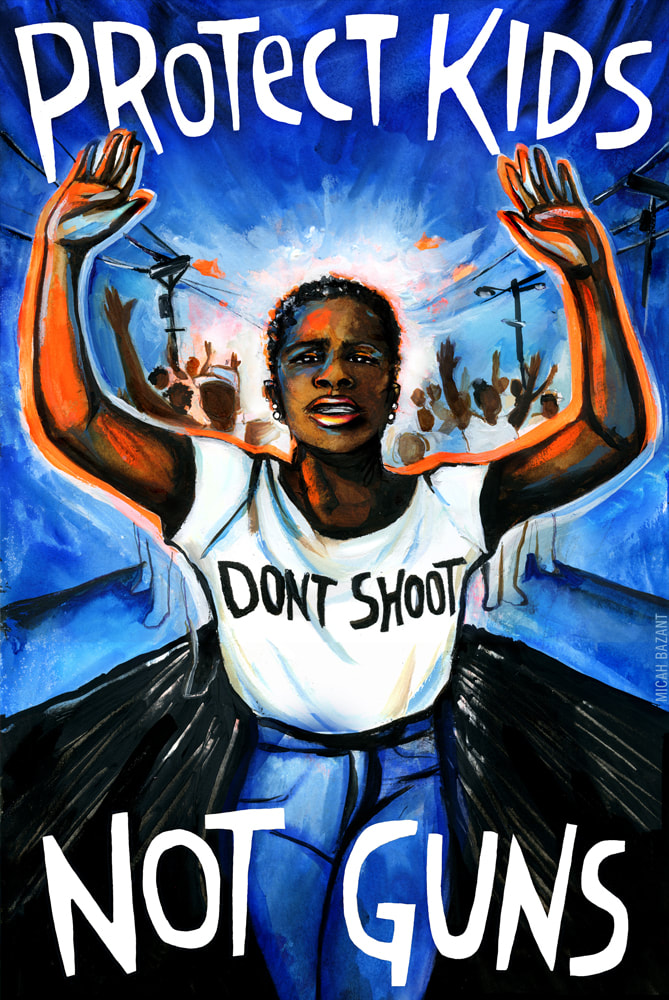
Anti-Gun Violence Art |
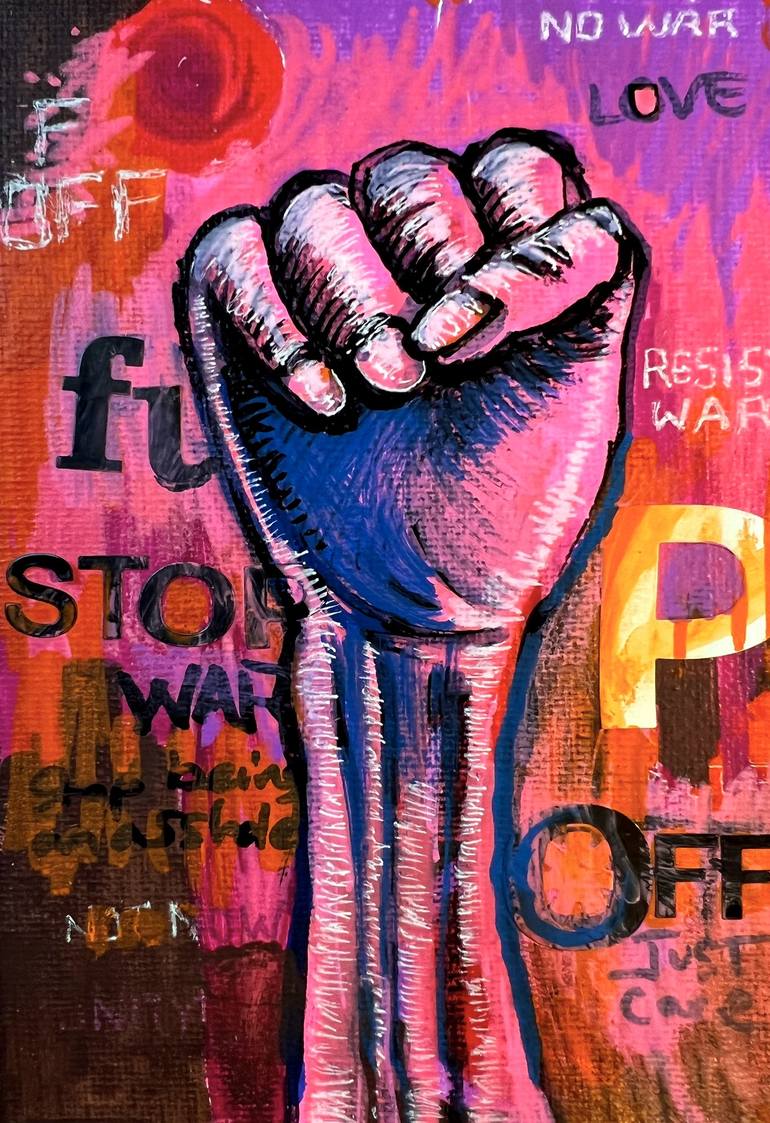
STOP VIOLENCE |
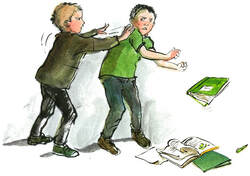
Talk to someone if you are dealing with violent peers or bullying.
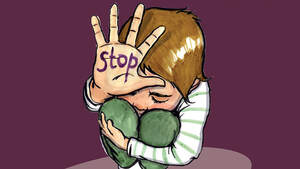
Take charge of your school
|
Internal Conflict Resolution Strategies
|
Many conflicts can actually be dealt with by using internal conflict resolution strategies. These are skills that are more focused on your own personal response, as compared to getting another person to make changes.
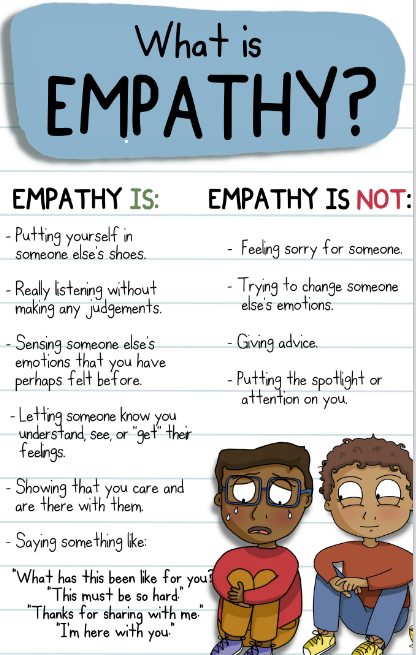
1. Ignore It: Either through indirect modeling or direct conversations, you can teach your children when are appropriate situations to simply ignore the behavior that is causing the annoyance. For example, tour younger sister is bugging you because she’s eating with her mouth open, ignore it and mover further away from her. 2. Empathy: Teach your children about putting yourself in another person’s shoes. And one of the best ways to do this at home, is for you to show and practice lots and lots of empathy towards your children. Reflect back on what he or she might be feeling. Ask him or her what’s going on. Say back what you hear him or her saying. 3. Apologize: Apologizing starts internally because you have to use your empathetic lens to identify what you did that was hurtful to the other person. And yup, I’m talking to about us parents apologizing to our children when we make a mistake that is hurtful to our children. Do this because it is the right thing to do. In addition, it teaches our children how to apologize, too. When we model the behavior of apologizing, we are showing our children how to take responsibility for their actions. And just as important, we are teaching them how to make amends when they’ve done something wrong. Not only does this help children develop empathy, it also helps them learn the importance of owning up to their mistakes. You might say I’m an expert apologizer. Can’t tell you how many times I’ve flipped my lid and yelled at my own own children or been lost in my own world that I’ve neglected to give them attention when they needed it. Apologizing really goes a long way in helping to make repairs and restore connection. |
|
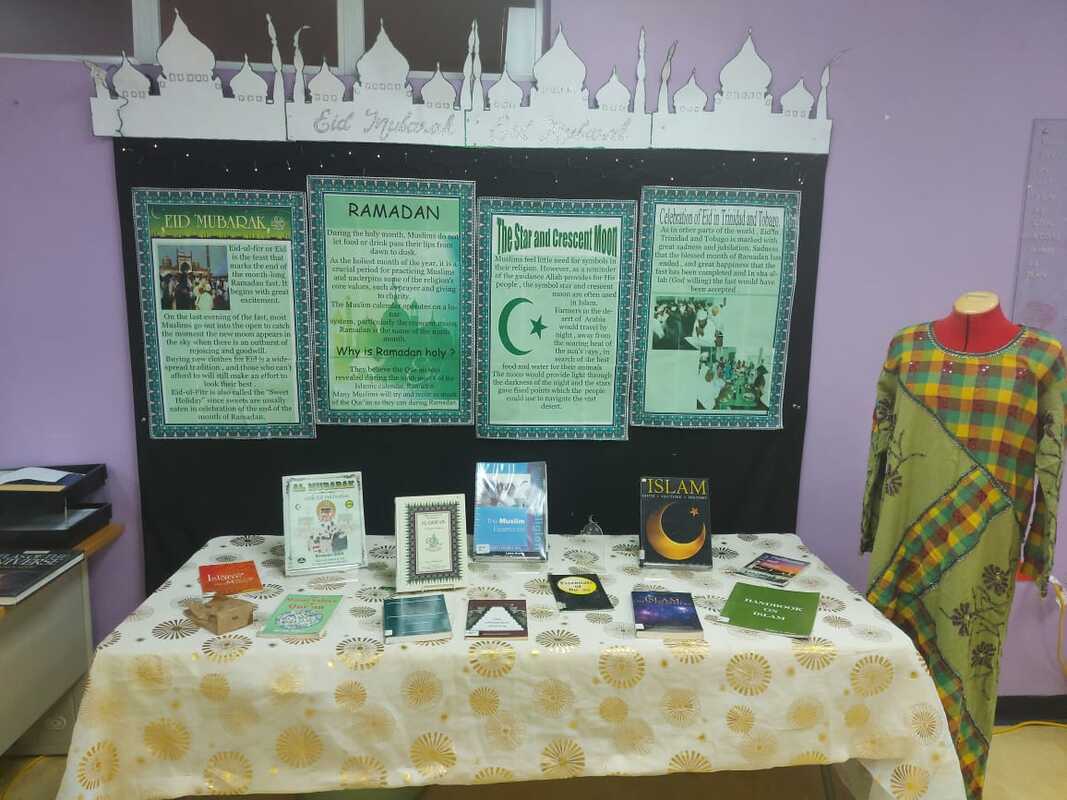
Eid Display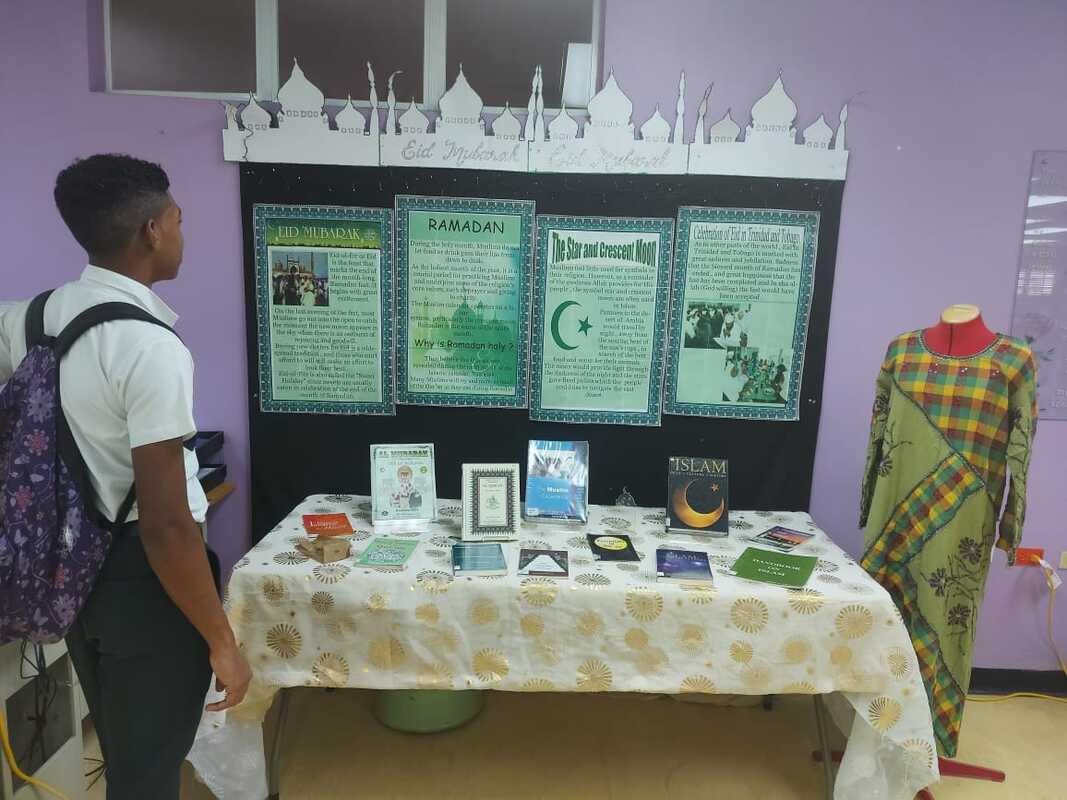
|
World Art Day '24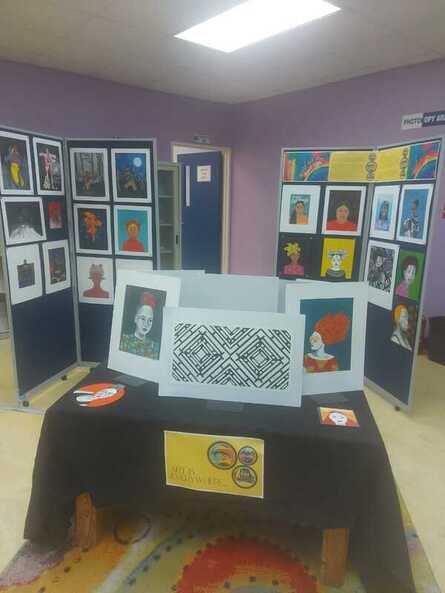
|
A+ Student Mentality
Motivation

|

|
Let's Celebrate!
This is our virtual display corner which features current celebrations and observances in Trinidad & Tobago and around the world. Join us as we bring awareness to causes being fought and explore various celebrations and cultures.
Travel Tuesdays.The truth is no-one’s travelling out of country like before. Many of us have had to turn to virtual sojourns to relive the joy of wanderlust yet again.
As virtual experiences become the new norm, viewers adapt and are seemingly immersing themselves in digital travel overload. Join us are we explore beautiful escapes right here in Trinidad and Tobago. |

|
Book Feature
DOWNLOAD AN E-COPY & START READING TODAY!

|
The Crossover - Denyse PlummerThe Crossover contains 47 chapters in 207 pages; from Growing Up (Parts I and II) to Highly Favoured. Between them are titles such as Scary Times, At Death's Door, My Amazing Career, My Manager My Sister, Attacks, The Coup, Our Influence As Women, Letting The Baggage Go, The Need For Change, Medicine To The Soul, God Loves Sinners, and Turning Barriers Into Bridges, to name a few.
|